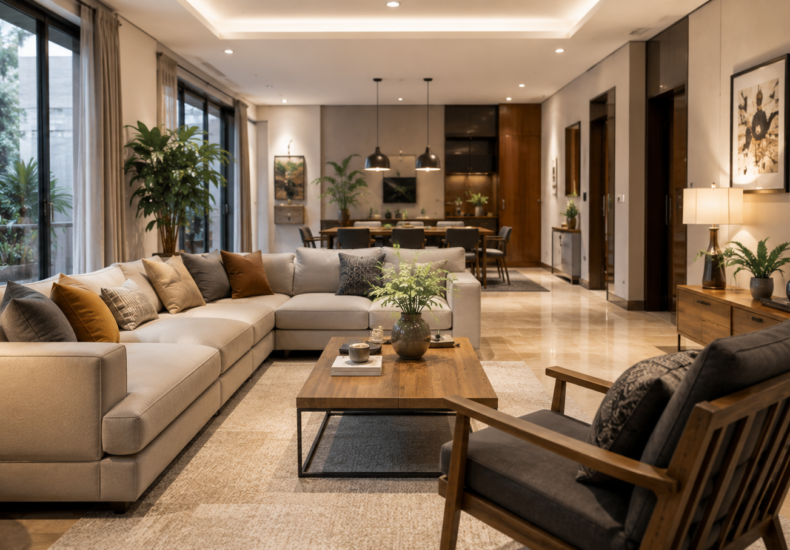
How to Choose Furniture for a Modern Home Style
Creating a modern home is not only about architecture or decoration, but also about selecting the right furniture that defines comfort, functionality, and visual harmony. In today’s interior design trends, homeowners focus on simplicity, clean aesthetics, and practical layouts that make everyday living easier and more enjoyable.
Understanding how to choose furniture has become an essential skill for anyone who wants to build a stylish and well-balanced living space. Furniture is no longer just about filling empty rooms; it plays a key role in shaping mood, improving usability, and reflecting personal taste.
Modern interiors rely heavily on thoughtful selection rather than excessive decoration. Every piece of furniture must serve a purpose while contributing to the overall design theme. This approach helps create homes that feel organised, spacious, and visually appealing.
Understanding How to Choose Furniture
Furniture selection directly affects the comfort, functionality, and appearance of a home. Poor choices can make spaces feel cluttered and uncomfortable, while well-planned selections create a smooth and inviting environment.
Learning how to choose furniture helps homeowners avoid unnecessary purchases and instead focus on pieces that provide long-term value and style consistency. In modern interior design, balance is more important than quantity.
Furniture Shapes the Atmosphere
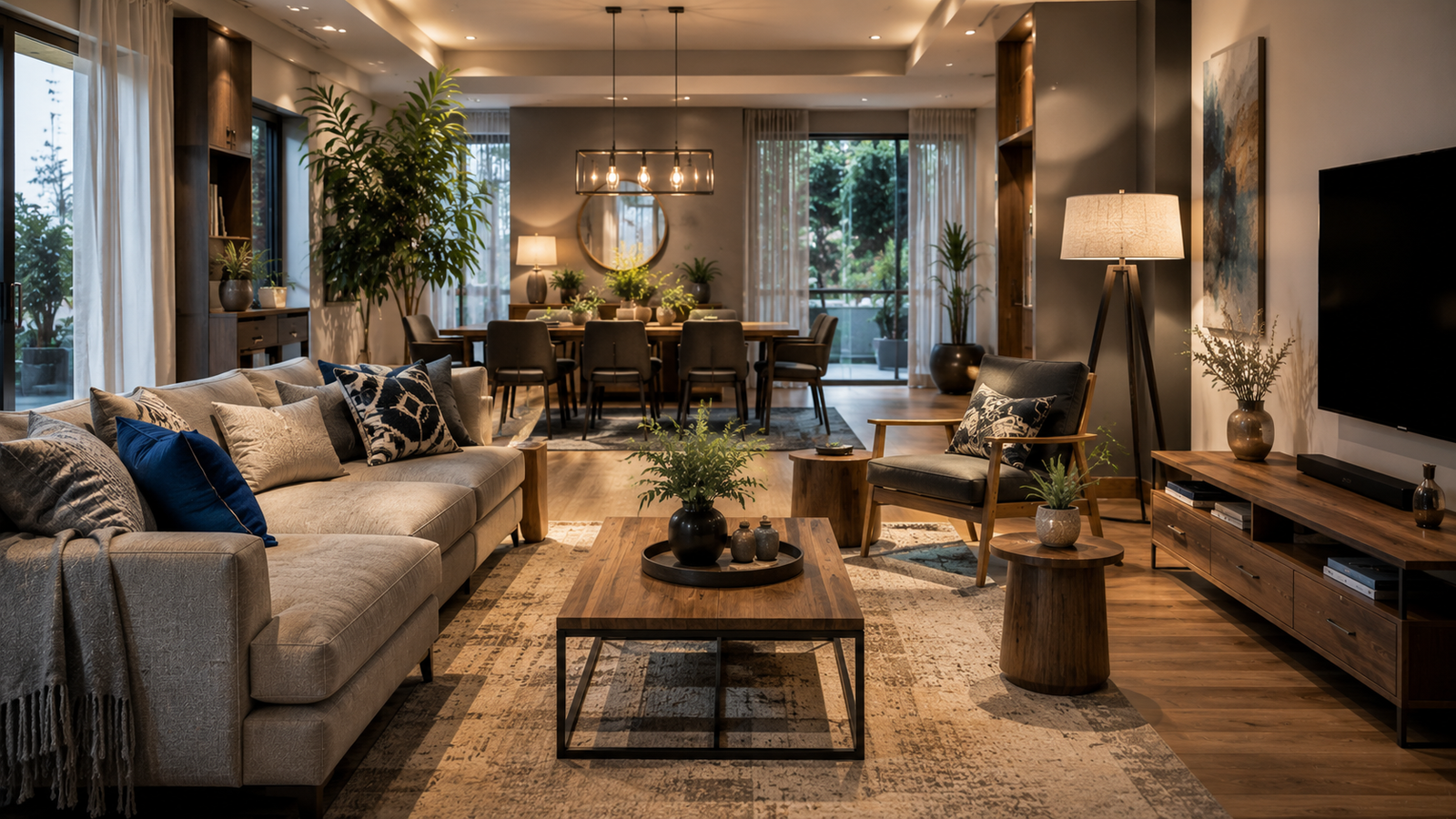
Every room has a unique atmosphere influenced by its furniture. Sofas, tables, chairs, and storage units determine how a space feels and functions. Choosing the right materials, colours, and shapes can create a calm, warm, or energetic environment depending on the design goal.
A well-thought-out selection process ensures that furniture enhances rather than overwhelms the space, creating a balanced, functional, and visually harmonious interior.
Functionality Matters More Than Ever
Modern homes require furniture that is both stylish and practical. Multi-purpose designs such as storage beds, foldable tables, and modular seating have become increasingly popular.
Understanding how to choose furniture ensures that homeowners prioritise usability alongside appearance, making daily life more efficient and comfortable.
Designing a Modern Living Space
Modern interior design focuses on simplicity, clean lines, and open spaces. Furniture plays a central role in achieving this balance by combining aesthetics with functionality, ensuring spaces feel both stylish and practical.
Focus on Minimalist Design
Minimalist furniture avoids unnecessary details and focuses on simple, elegant shapes. This style helps create open and uncluttered spaces that feel more spacious and calming.
When learning how to choose furniture, minimalism is often recommended because it works well in both small and large homes while maintaining visual harmony.
Choose Neutral Colour Palettes
Neutral colours such as white, beige, grey, and soft earth tones are commonly used in modern homes. These shades create a timeless look and allow flexibility when adding decorative elements.
Neutral furniture also blends easily with different interior styles, making it a practical long-term choice by offering versatility, timeless appeal, and adaptability to changing décor trends.
Prioritise Space Efficiency
Efficient use of space is essential in modern homes, especially in urban living environments where space is limited. Furniture that offers storage solutions or compact designs helps maintain organisation without sacrificing style.
This is a key principle when understanding how to choose furniture for modern living spaces, as it helps create a balanced, functional, and aesthetically consistent home environment.
Selecting the Right Furniture Materials
Materials play an important role in durability, appearance, and maintenance. Choosing the right materials ensures that furniture lasts longer while maintaining its aesthetic appeal, functionality, and overall quality over time.
Wood for Timeless Appeal
Wooden furniture remains one of the most popular choices due to its durability and natural beauty. It adds warmth and elegance to any room while fitting well with modern and traditional styles.
Metal and Glass for Modern Touch
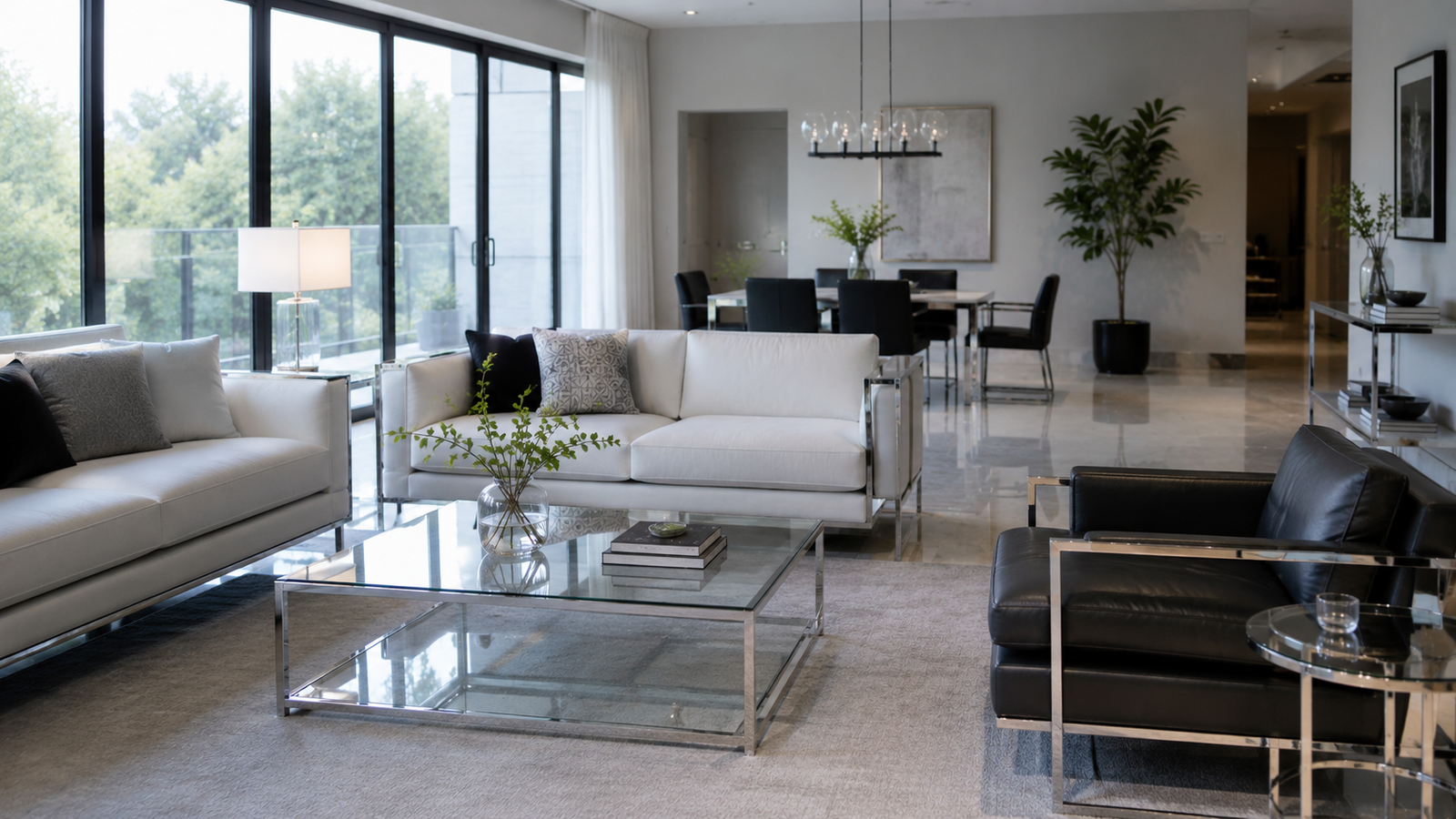
Metal and glass furniture pieces are often used in modern interiors to create a sleek and contemporary look. These materials reflect light and add a sense of openness to smaller spaces.
Fabric Choices for Comfort
Soft furnishings such as sofas and chairs should prioritise comfort as well as design. High-quality fabrics improve durability while enhancing the overall feel, texture, and aesthetic appeal of the living space.
Balancing Style and Comfort in Furniture Selection
A modern home should never force you to choose between beauty and comfort. The real success of interior design comes from blending both in a natural way. When people understand how to choose furniture, they begin to realise that comfort is not separate from style but part of it.
Comfort Should Never Be Ignored
Even the most visually impressive furniture loses value if it is uncomfortable to use. Sofas, beds, and chairs must support daily living without causing strain or inconvenience. Proper cushioning, ergonomic design, and quality materials make a significant difference in long-term satisfaction.
This is why learning how to choose furniture involves testing comfort as much as visual appeal before making a decision, ensuring both practicality and long-term satisfaction.
Proportion and Scale in Design
Furniture must match the size of the room to maintain balance. Oversized items can make a space feel crowded, while very small pieces may look out of place. Proper proportion ensures harmony within the interior layout.
A well-balanced space always feels more organised and visually appealing, which is a core principle when exploring how to choose furniture for modern homes.
Lighting and Furniture Harmony
Lighting affects how furniture appears in a room. Natural light enhances colours and textures, while artificial lighting creates mood and focus. Choosing furniture that complements lighting conditions helps create a more refined interior atmosphere.
This connection between light and furniture is often overlooked but plays a key role in modern design success, influencing how spacious, balanced, and visually appealing a room feels.
Creating a Cohesive Home Interior
A modern home should feel unified rather than random. Every furniture piece must contribute to a consistent style theme across all rooms, creating harmony, balance, and a cohesive interior design.
Consistency Across Rooms
Using a consistent design style throughout the home creates a smooth visual flow. This does not mean every room must look identical, but there should be a clear connection in colours, materials, and shapes.
Applying how to choose furniture correctly helps maintain this consistency without making the home feel repetitive or boring, ensuring a balanced blend of style, variety, and visual harmony throughout the space.
Smart Storage Solutions
Modern homes require clever storage ideas to reduce clutter and maintain clean aesthetics. Furniture with built-in storage helps maximise space while keeping rooms organised.
Storage beds, hidden cabinets, and modular shelving are practical solutions that support both design and functionality by maximising space, reducing clutter, and enhancing overall home organisation.
Avoiding Overcrowding
One of the most common mistakes in interior design is filling rooms with too much furniture. Negative space is important because it allows the eye to rest and makes rooms feel larger.
A clean and open layout reflects a strong understanding of how to design a space effectively, ensuring balance, functionality, and visual harmony within the home.
Final Thoughts on Modern Furniture Selection
Choosing furniture for a modern home is a thoughtful process that combines creativity, planning, and practical decision-making. It is not about following trends blindly but about creating a space that reflects personality and supports daily life.
When homeowners fully understand how to choose furniture, they are able to design interiors that feel comfortable, stylish, and functional at the same time. Every piece becomes intentional rather than accidental.
The principles of focus on balance, simplicity, quality, and long-term usability. By applying these ideas consistently, any home can achieve a modern and timeless appearance.
Frequently Asked Questions (FAQs)
What is the most important factor when selecting furniture?
Comfort and functionality should always come first, followed by style and durability, ensuring furniture choices support daily use while still maintaining long-lasting aesthetic appeal.
How can I make a small home look bigger with furniture?
Using light colours, minimal designs, and space-saving furniture helps create the illusion of a larger space by improving light reflection, reducing visual clutter, and enhancing openness.
Should all furniture match in colour?
Not necessarily. A coordinated colour palette is more important than exact matching, as it creates visual harmony while allowing flexibility and variation in furniture and décor choices.
Is expensive furniture always better?
Not always. Quality, durability, and comfort matter more than price alone, as they ensure long-term value, better usability, and greater satisfaction with furniture choices.
How often should furniture be replaced?
Good quality furniture can last many years if properly maintained, so replacement depends on condition rather than time, ensuring better long-term value and sustainability.
Leave a Reply